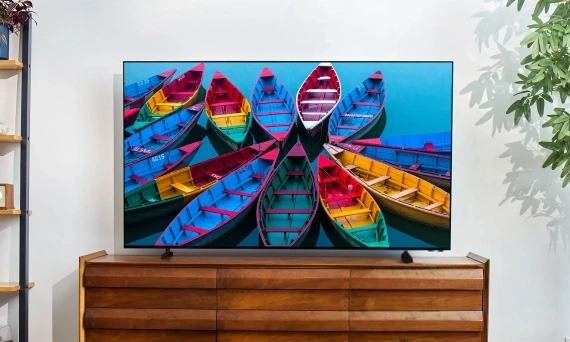
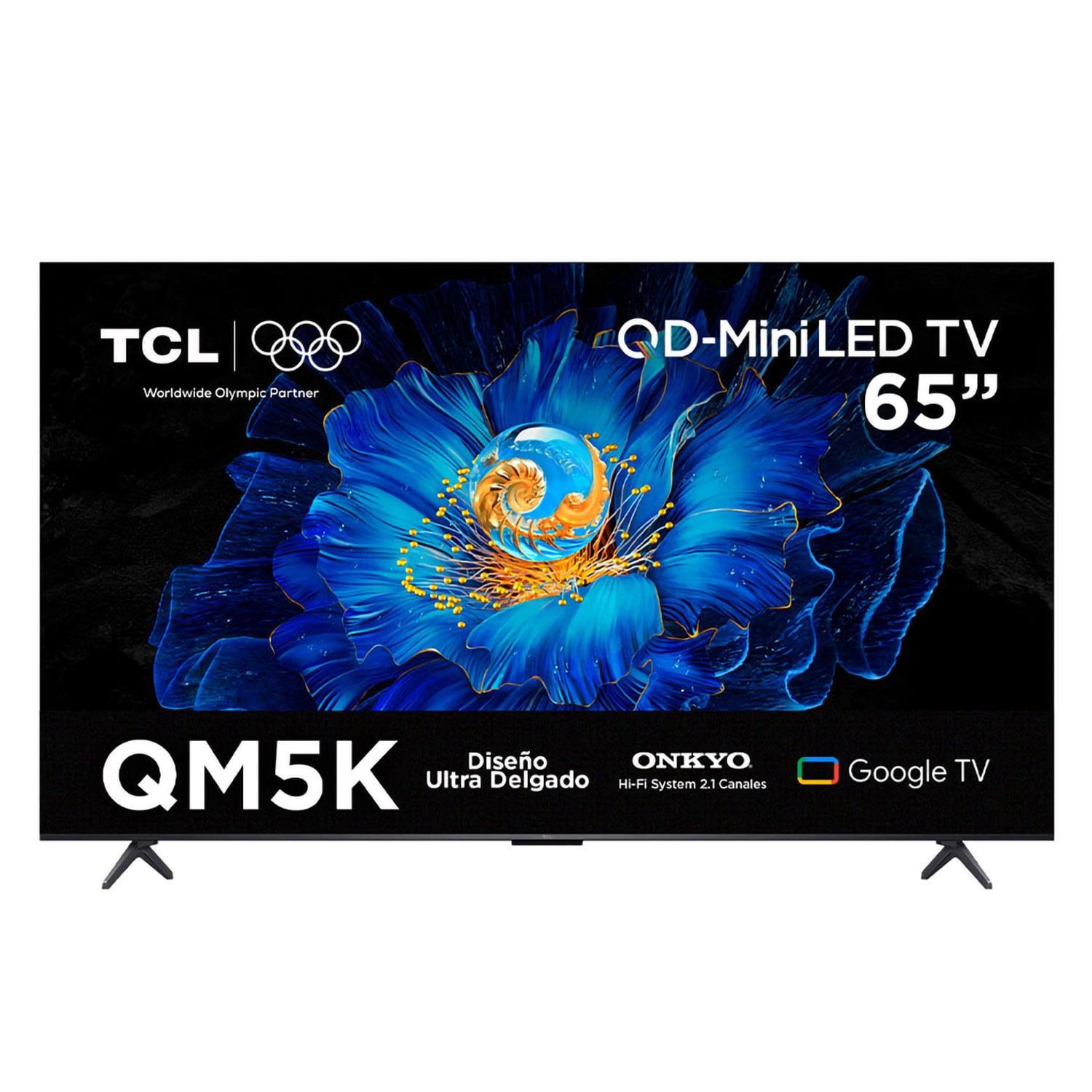
Bright-room buying guide
How to choose the best TV for a bright room
For daytime viewing, raw peak brightness is only part of the answer. Screen reflections, black-level stability in ambient light, viewing angle and local-dimming behavior all affect whether the picture still looks punchy with windows or lamps in the room.
If glare is the main problem, start with the screen treatment and room layout before chasing a bigger brightness number. A matte or strong anti-reflection finish can reduce visible reflections, while a brighter panel helps the image hold up when the whole room is illuminated.
What about an 85-inch TV for a bright room?
At 85 inches, reflections become especially noticeable because the screen occupies more of the room. Favor strong glare control and daylight brightness, then use the Finder to compare exact 85-inch models rather than assuming the largest version performs exactly like a smaller size.
Open the bright-room Finder at 85 inches →Panel choice
OLED or Mini-LED for a sunny room?
OLED gives precise black control and excellent viewing angles, while bright Mini-LED TVs can offer more daylight headroom. Newer premium OLED models can still work very well in bright rooms when their screen treatment and brightness are strong.
The better choice depends on the room: direct reflections, broad ambient light and wide seating can each change the result. Compare the technologies first, then the exact model and screen size.
Compare OLED and Mini-LED/QLED trade-offs →